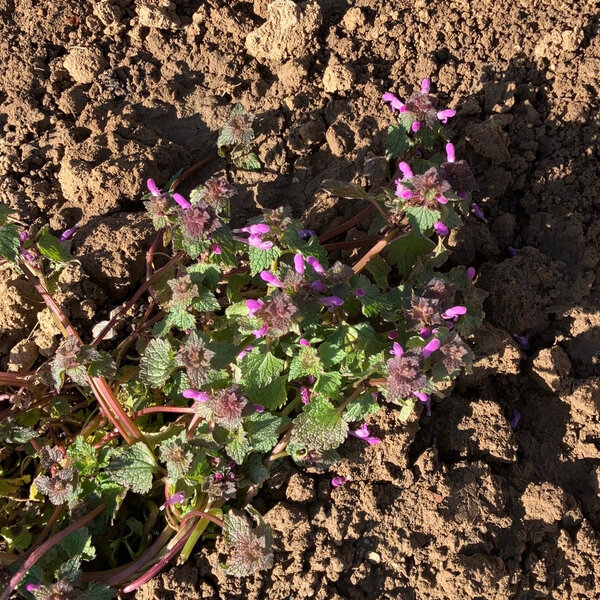
The composition of these weed communities depends, among other factors, on soil characteristics, climate, management practices, and the seeds and other propagules present. In agricultural and horticultural crops, weeds can compete with crop plants for light, water, nutrients, and space, as well as hinder crop maintenance and harvesting. Many weed species are characterised by high adaptability and efficient reproductive strategies. Depending on the species, they reproduce through seeds or vegetatively, for example through rhizomes, runners, or root suckers.
Weed communities can also fulfil ecological functions: they provide food and habitat for insects and other animals, contribute to plant diversity, and can protect the soil from erosion. Whether weed management is necessary, and to what extent, therefore depends on land use, the species present, their population densities, and the respective management objectives.