
Plants of grassland
Grassland is a type of land use that is grazed or cut and whose vegetation consists mainly of perennial plants, especially grasses.
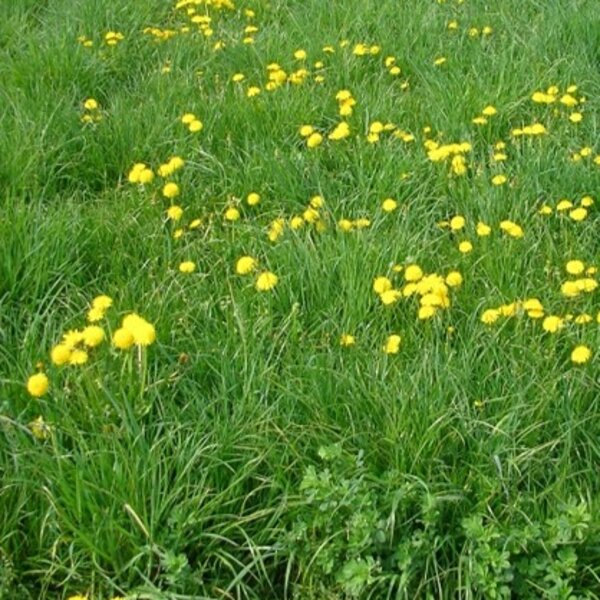
Grassland is a type of land use that is grazed or cut and whose vegetation consists mainly of perennial plants, especially grasses.
Grassland forms the fodder basis for ruminants and other roughage utilisers. Therefore, the utilisation and management of grassland has traditionally been closely linked to the animals' requirements in terms of feed quality. In recent decades, energy-rich feedstuffs (concentrates, silage maize) from arable land have been increasingly used in dairy farming, as even with intensive grassland management, the needs of high-performance animals can no longer be met by grassland feed alone.
New utilisation alternatives with different quality requirements have developed through the energetic utilisation of grassland growth in biogas plants and also as a raw material for bio-based products. In addition to the production of biomass, grassland has other important ecosystem functions such as the preservation of biodiversity, water and soil protection and also the recreational function. As these are usually more pronounced in extensive farming, conflicts of interest with agricultural requirements can arise.
Go to content:
With about 12,000 species, the sweet grasses are a large and varied plant family. 15 species are cultivated in Germany as fodder grasses and have economic significance, 12 of which can be seen here. Grasses are the most important species group in grassland and should account for about 60-80% in a balanced grassland population. Due to their pronounced vegetative propagation due to the formation of lateral shoots, they form a dense turf and are the basis for the yield and quality of the edible biomass. As the growth ages, the fiber content increases and the protein content decreases, so the fodder quality decreases.
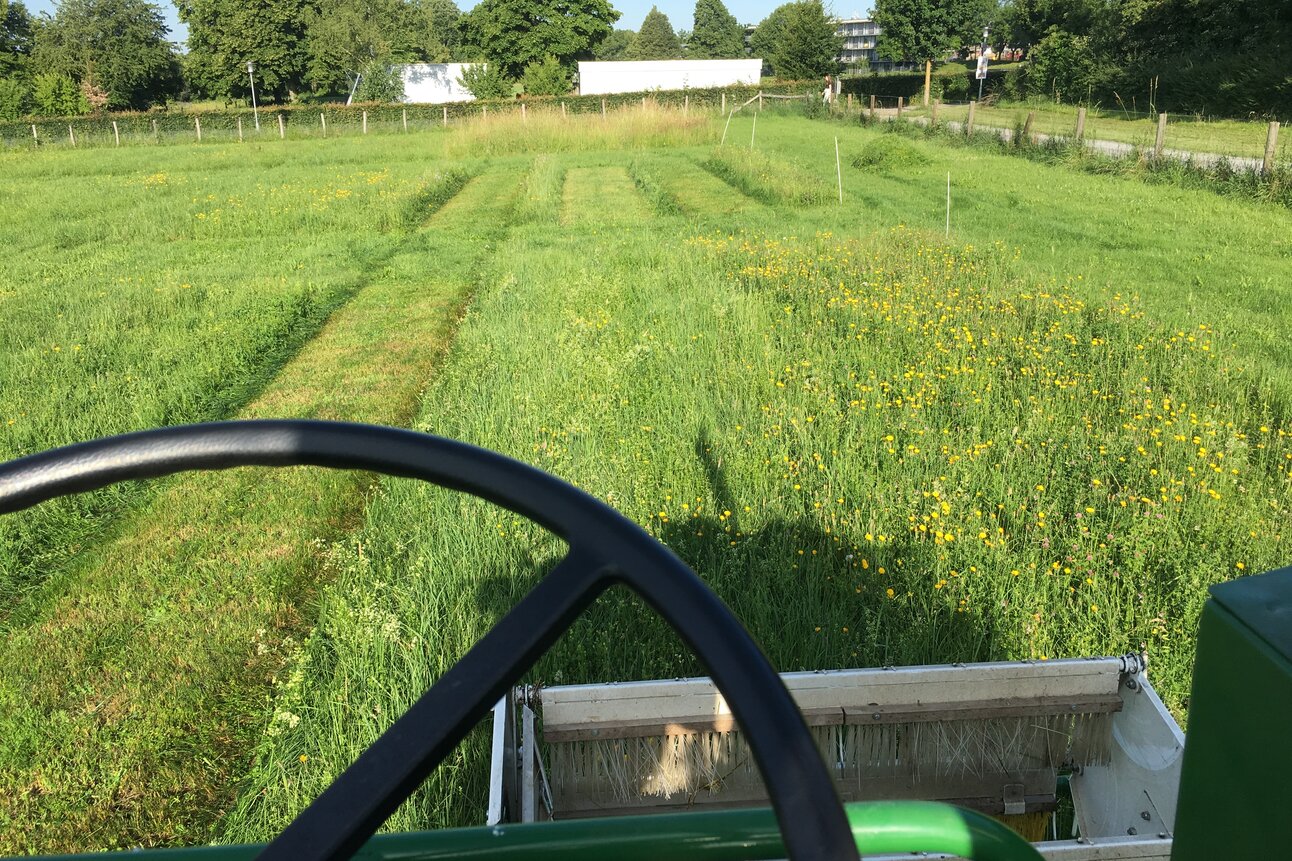
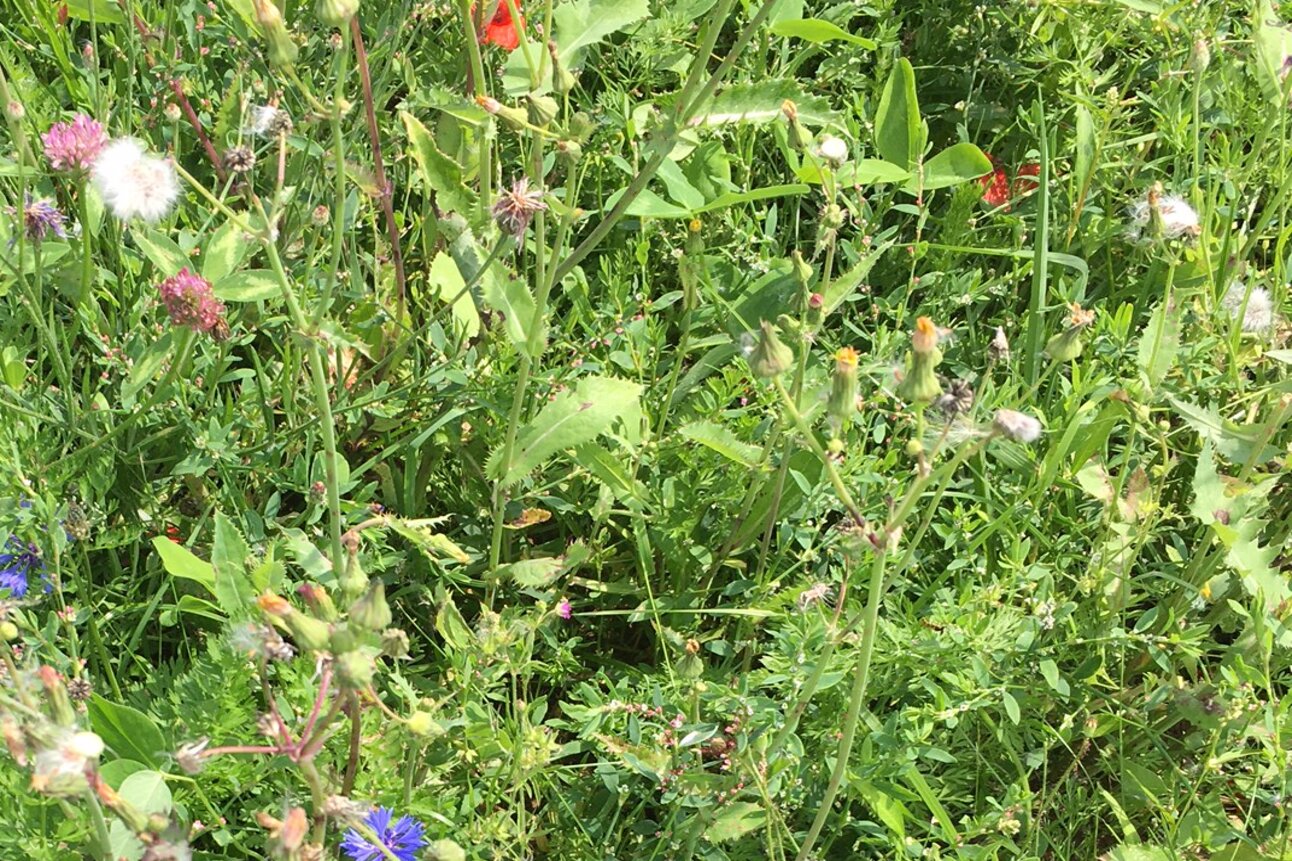
In addition to grasses, grassland is always home to site-specific legumes (e.g. various types of clover, alfalfa) and other herbs. They are important components of grassland, serve as a source of protein, make nitrogen available to plants, improve the soil and promote biodiversity. In grassland, these "other grassland plants" form the basis of biodiversity and characterise the aspect of the crops.
This diversity cannot be shown in the Agricultural Science Teaching Garden, visit the Hohenheim Gardens and the great outdoors.